Compression Demystified: Controlling Dynamics Like a Pro
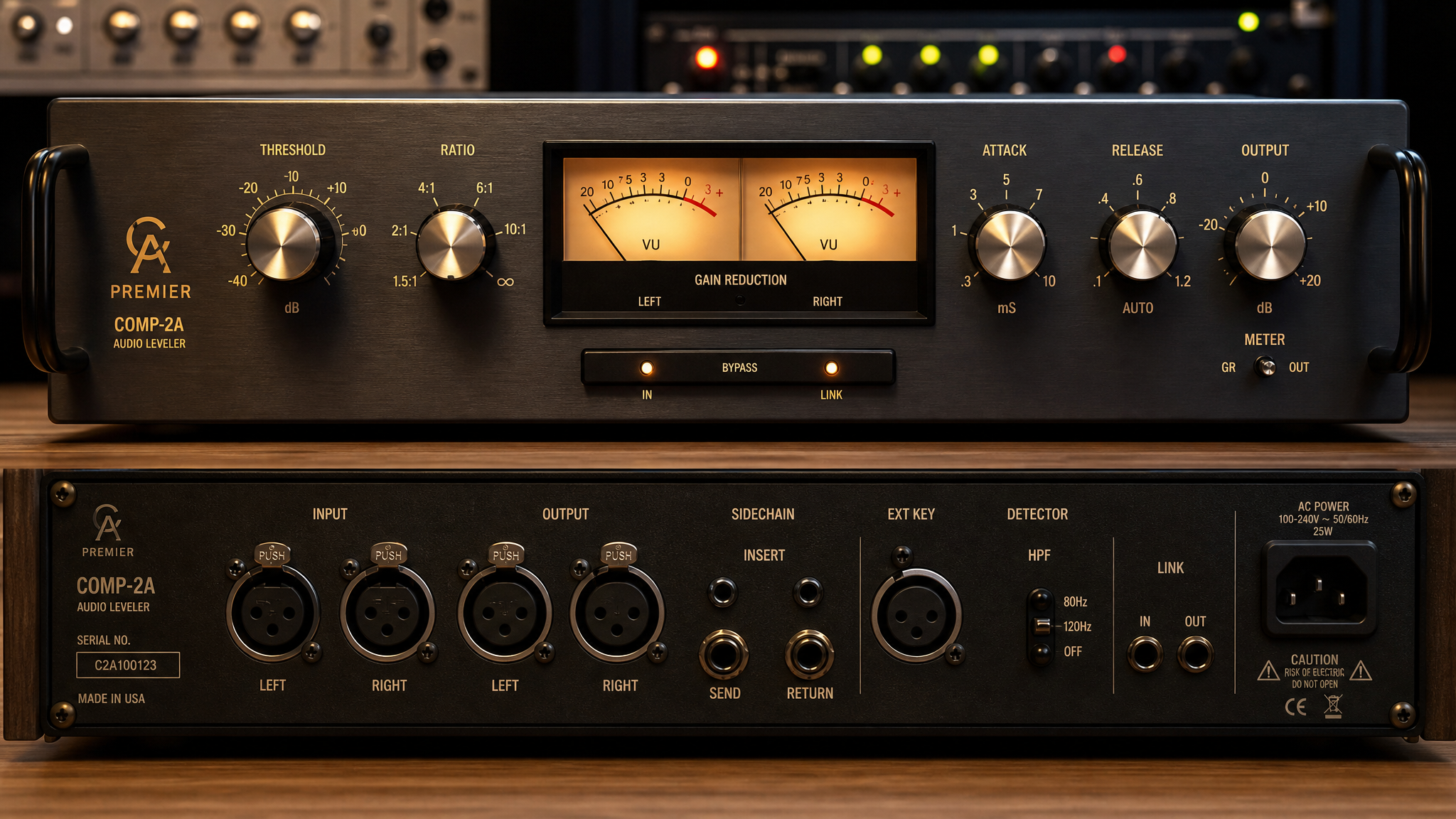
Compression is one of the most transformative tools in audio production, yet it confuses more newcomers than any other processor. In simple terms, a compressor automatically reduces the volume of the loudest parts of a signal, evening out dynamics and adding punch, consistency, and energy when used well.
The Key Controls
Every compressor shares a handful of core parameters. Master these and you can operate any unit:
- Threshold: The level above which compression begins.
- Ratio: How aggressively the signal is reduced once it crosses the threshold.
- Attack: How quickly the compressor responds to a peak.
- Release: How quickly it stops compressing after the signal falls.
- Makeup gain: Restores overall level lost to compression.
Attack and Release Shape the Sound
These two controls define character. A slow attack lets transients through for punch, while a fast attack tames peaks and smooths a performance. Matching the release to the tempo of the song keeps compression breathing naturally with the music.
Practical Applications
- Vocals: Even out volume so every word sits clearly in the mix.
- Drums: Add punch and sustain, or glue a kit together on the bus.
- Bass: Deliver consistent low end that holds steady in the mix.
- Mix bus: Light compression ties the whole track together.
Avoid Over-Compression
Too much compression sucks the life out of music, leaving it flat and fatiguing. Watch your gain reduction meter and aim for just a few decibels on most sources. If it sounds squashed, back it off.
Conclusion
Compression is about control and emotion, not just loudness. Use it with intention and your productions will feel polished and powerful. AleXavior Studios offers mixing services and tutorials if you want to sharpen your dynamics skills.
Comments (0)
Leave a Comment
No comments yet. Be the first to comment!