EQ Explained: Shaping Your Sound with Equalization
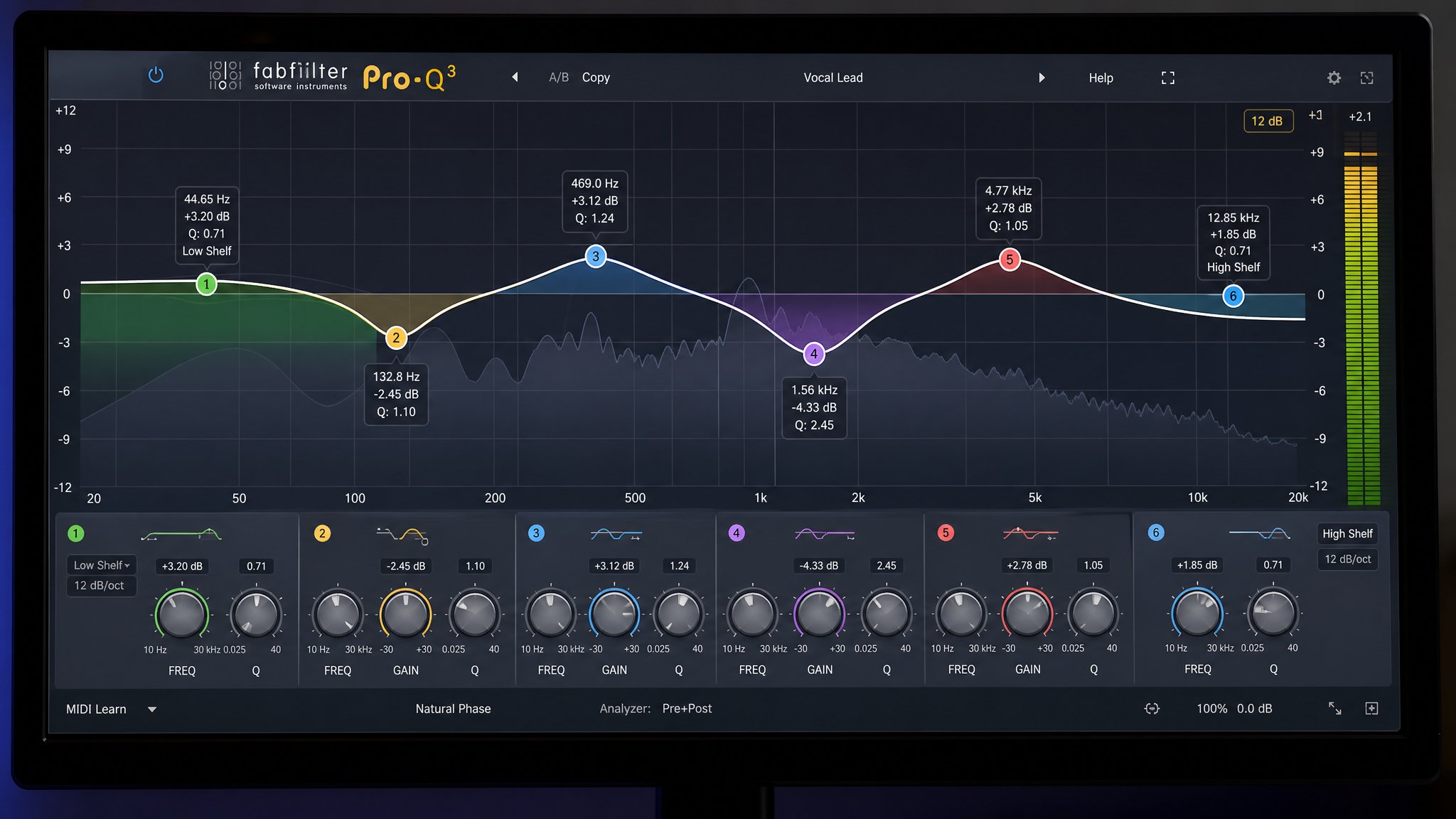
Equalization, or EQ, is arguably the most powerful and most misunderstood tool in audio production. At its core, EQ lets you boost or cut specific frequencies to shape tone, create clarity, and help every element of a mix find its own space. Learning to hear frequencies is a skill that pays off in every session.
The Frequency Spectrum
Understanding the broad regions of the audio spectrum makes EQ decisions intuitive:
- Sub bass (20–60 Hz): Felt more than heard; power and weight.
- Bass (60–250 Hz): Fullness and warmth, but also muddiness if overdone.
- Mids (250 Hz–2 kHz): The body and presence of most instruments.
- Upper mids (2–6 kHz): Definition, attack, and vocal intelligibility.
- Highs (6–20 kHz): Air, sparkle, and sense of detail.
Cut Before You Boost
Experienced engineers often solve problems by cutting rather than boosting. Removing an offending frequency sounds more natural than piling on boosts and helps avoid a harsh, over-processed result.
Common Moves That Work
- High-pass filter: Roll off unnecessary low end on vocals and guitars to clean up the mix.
- Cut the mud: A gentle dip around 200–400 Hz clears boxy buildup.
- Add presence: A small lift around 3–5 kHz helps vocals cut through.
- Add air: A subtle high-shelf boost adds sheen without harshness.
Use EQ in Context
Always make EQ decisions with the full mix playing. A track that sounds thin soloed may sit perfectly in the arrangement. EQ is about how elements fit together, not how they sound alone.
Conclusion
EQ rewards careful listening and a light touch. Train your ears, make purposeful moves, and your mixes will gain clarity and balance. For hands-on training or mix support, the team at AleXavior Studios is here to help.
Comments (0)
Leave a Comment
No comments yet. Be the first to comment!