How to Structure a Studio Website for Local SEO
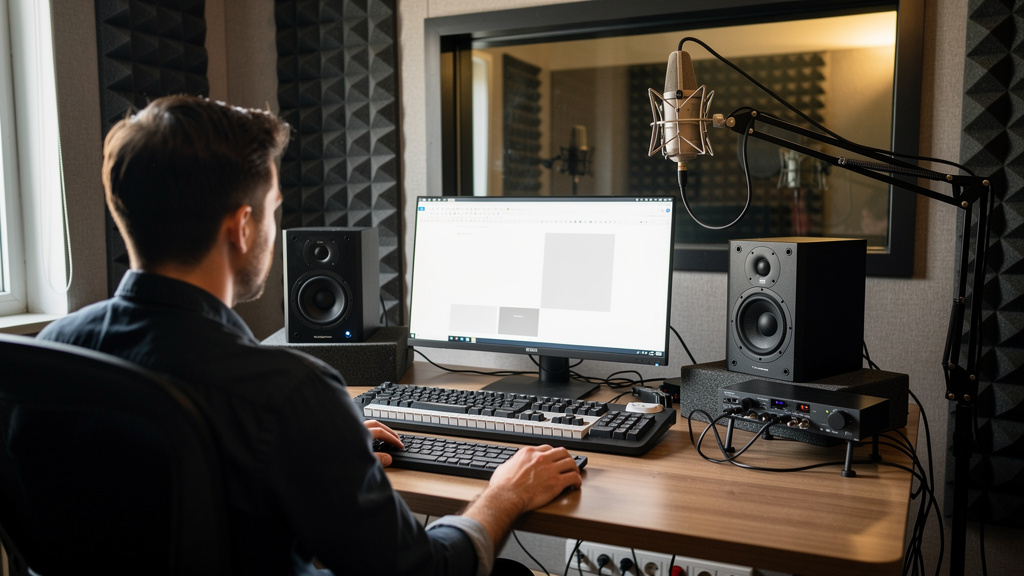
You know the feeling: the room sounds good, the gear is sorted, your rates are fair, and somehow the local inquiries still go to the studio across town. A lot of the time, it is not your work. It is your website structure. If Google cannot quickly tell where you are, what you do, and which sessions you are the right fit for, your studio gets buried under directories, map packs, and better-organized competitors.
That is the frustrating part of local SEO for studios. Most owners think it is about sprinkling a city name on the homepage and calling it a day. It is not. The best-performing studio sites are built like a clean signal chain: clear source, logical routing, no noise, no dead ends.
If you want to get more studio bookings online, your site needs to help both people and search engines answer three questions fast: where are you, what exactly can someone book, and why should they trust you with the session?
Start with a simple site structure, not a giant menu
The best website for a recording studio is usually smaller and more focused than owners expect. You do not need twenty thin pages. You need a few strong ones that each do one job well.
A practical structure for most local studios looks like this:
- Home – your location, core services, social proof, and primary call to action.
- Studio Services – recording, mixing, mastering, podcast production, vocal tracking, rehearsal capture, or whatever you actually sell.
- Location – city, neighborhood, service area, parking, building access, and local relevance.
- Portfolio or Work Samples – embedded audio, project examples, before-and-after clips, or case studies.
- About – who runs the studio, experience, room philosophy, and why clients feel comfortable there.
- Contact or Booking – inquiry form, calendar request, phone, email, and next-step clarity.
That structure works because each page supports a different search intent. Someone searching for a mixing room in your city lands on a service page. Someone comparing local spaces may go straight to your location page. Someone who already heard about you needs booking details without hunting through the menu.
What hurts local visibility is the opposite approach: one vague homepage, an “Our Services” paragraph, and a contact form buried in the footer. That kind of studio website design asks visitors to do interpretive work, and people rarely do.
Give each core service its own page
This is where many studios leave easy traffic on the table. If you offer recording, mixing, podcast production, voiceover tracking, and production coaching, do not bury all of that on one generic page.
Create a dedicated page for each service you genuinely want to rank for locally. Not duplicate pages with swapped keywords, but real pages that explain the workflow, the room, the gear relevant to that service, what clients should prepare, and what they can expect to leave with.
For example, a podcast recording page might cover mic setup, remote guest capture options, edit turnaround, and whether you offer an engineer during the session. A vocal recording page might explain booth options, comping workflow, and common session lengths. That specificity helps Google understand the page, but more importantly, it tells the client, “Yes, this place actually does the thing I need.”
That is one reason many owners eventually bring in professional studio web design help. Structuring service pages well is less about pretty layouts and more about mapping each page to real booking intent.
Your location page does more than name the city
If local search matters, your location page is not optional. It is one of the strongest pages on the site when it is done right.
A good location page should include:
- Your full studio address or service area
- The cities or neighborhoods you regularly serve
- Parking details, transit access, and building entry notes
- What kind of clients usually come from nearby areas
- Photos of the exterior, entrance, control room, and live room
- A short note about the local music, podcast, or creator community you serve
This is not busywork. These details help search engines connect your business to a place, and they help nervous first-time clients picture showing up without friction. Local SEO is partly relevance, but it is also confidence.
If you serve multiple nearby areas, be careful. Do not crank out thin pages for every town with nearly identical copy. That usually backfires. Build one strong location page for your actual base, then mention surrounding service areas naturally where appropriate.
Internal linking should feel like signal flow
Think of internal links the way you think about routing audio. Every page should send visitors to the next logical step.
Your homepage should link clearly to your core services and booking page. Each service page should link to your location page, your portfolio, and your inquiry form. Your about page should lead people back toward booking. Blog articles, if you publish them, should point readers to the most relevant service page rather than dumping all authority into the homepage.
Here is a simple internal linking pattern that works well for local studio sites:
- Home links to all main service pages.
- Service pages link to booking and location.
- Location page links back to key services available at that studio.
- Portfolio items link to the related service page.
- Blog posts link to the most relevant service or booking page.
This keeps visitors moving and helps search engines understand which pages matter most. A site with clean internal linking usually performs better than a larger site with scattered, disconnected pages.
Build pages around real search language
Studio owners often write in-house language that clients never use. You might say “artist development and production support,” while the local client is searching “music producer near me” or “recording studio for vocals in Bristol.”
You do not need to force awkward keyword phrasing into every sentence. You do need to align page titles, headings, and copy with what people actually type when they are ready to book.
That means using natural variants such as local recording studio, podcast studio in your city, mixing engineer near your area, or website with online booking language if convenience is one of your selling points. One or two well-placed phrases in headings and metadata can do a lot of work without making the copy sound robotic.
If your studio runs discovery calls, session requests, or consultations, make that visible. A site that behaves like an appointment booking website often converts better because it removes uncertainty from the first step.
Do not hide trust signals on a separate island
Reviews, credits, testimonials, room photos, and sample work should not live in one forgotten “proof” page. Spread them throughout the site where buying decisions actually happen.
On service pages, add a short testimonial specific to that service. On the location page, show photos that prove the space is real and professional. On the homepage, include recognizable client types or project outcomes. On the booking page, answer common objections like turnaround time, deposit policy, or whether beginners are welcome.
This matters for local SEO because good behavior metrics usually follow good trust. When visitors stay longer, click deeper, and convert more often, your site tends to perform better over time.
Make booking the obvious next step
A lot of studio sites are visually polished but structurally weak at conversion. They showcase the room, list some gear, and then leave the visitor to figure out how to start.
If you want a professional website for a creative business, booking needs to be part of the architecture, not an afterthought. Every major page should have one clear next action:
- Request a session
- Book a consultation
- Check availability
- Get a quote
If you can support it operationally, a website with online booking can be a real advantage for local leads who are comparing several studios at once. Better still, if your site feeds inquiries into follow-up automations, you stop losing warm leads to slow replies. That is where a CRM and sales funnel website starts to become more than a marketing luxury. It becomes part of your scheduling and sales process.
The pages most studios are missing
If your current site is thin, these are usually the highest-impact additions:
- A dedicated location page with real local detail.
- Individual service pages for each bookable offer.
- A useful FAQ section answering session prep, file delivery, revisions, deposits, and parking.
- A focused booking page with a short path to contact or scheduling.
- Case-study style portfolio pages that show outcomes, not just pretty photos.
This is the difference between having a brochure and having a working sales tool. The stronger your structure, the less your traffic leaks away.
When it makes sense to bring in a pro
If reading this has you realizing your current site is fighting you, that is normal. Most studio owners did not get into this business because they love sitemap planning, conversion paths, and local search architecture. You are trying to run sessions, manage revisions, chase invoices, and keep the room moving.
At that point, it may be smarter to hire a web designer for your studio than keep patching a site that was never built to bring in qualified local leads. A properly planned, done-for-you website can tie together search visibility, booking flow, CRM follow-up, and a cleaner client experience without making you babysit the tech.
The core idea is simple: structure your site the way you would structure a clean session. Clear inputs, clear routing, no confusion about the next move. When your pages reflect how local clients actually search and book, local SEO gets a lot less mysterious.
Comments (0)
Leave a Comment
No comments yet. Be the first to comment!