Mastering the Art of Mixing: A Step-by-Step Guide
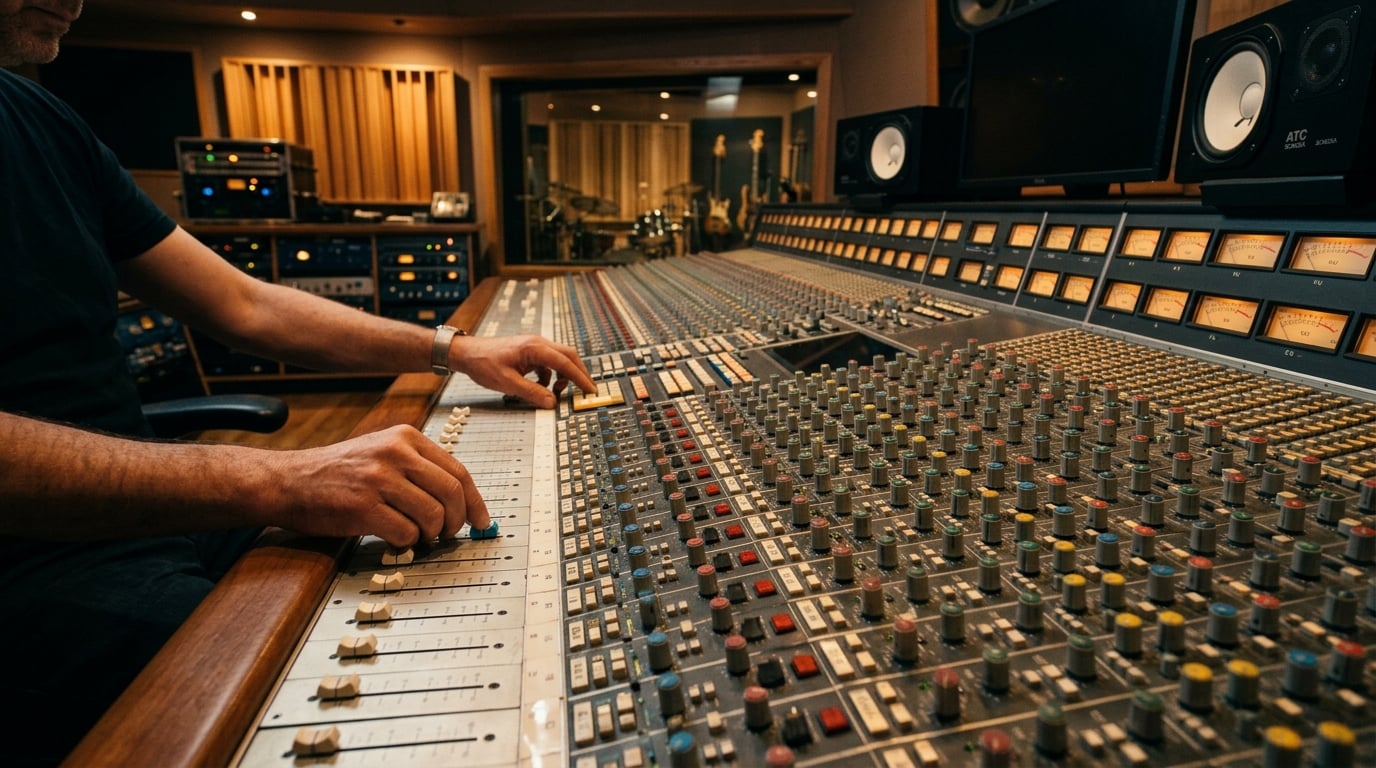
Mixing is where a collection of individual recordings becomes a cohesive, emotionally engaging piece of music. It is part technical craft and part creative decision-making. While every engineer develops a personal workflow, following a clear, repeatable process helps you achieve balanced, professional mixes every time.
Start With Preparation
Before touching a fader, organize your session. Label every track, group related instruments, and set colors so you can navigate quickly. A tidy session keeps you focused on sound instead of hunting for tracks.
Build a Static Balance
Begin by setting rough levels with all processing off. Establish the relationship between your most important elements first — usually vocals and drums — then bring in supporting parts around them.
Work Through the Mix in Stages
- Balance: Set fader levels so every element sits at the right volume relative to the others.
- Panning: Place elements across the stereo field to create width and separation.
- EQ: Carve space so instruments stop competing for the same frequencies.
- Compression: Control dynamics and add punch and consistency.
- Effects: Add reverb and delay to create depth and a sense of space.
Reference and Rest Your Ears
Compare your mix to professional tracks in the same genre to check tonal balance. Take regular breaks — ear fatigue leads to poor decisions, and a fresh listen often reveals problems instantly.
Check Translation
A great mix sounds good everywhere. Listen on studio monitors, headphones, a phone speaker, and in a car if you can. If it holds up across systems, you know your balance is solid.
Conclusion
Mixing is a skill that grows with every project. Trust your ears, work methodically, and resist the urge to over-process. If you want a professional touch on your next release, the engineers at AleXavior Studios are ready to help your music reach its full potential.
Comments (0)
Leave a Comment
No comments yet. Be the first to comment!