Podcast Production: From Recording to Publishing
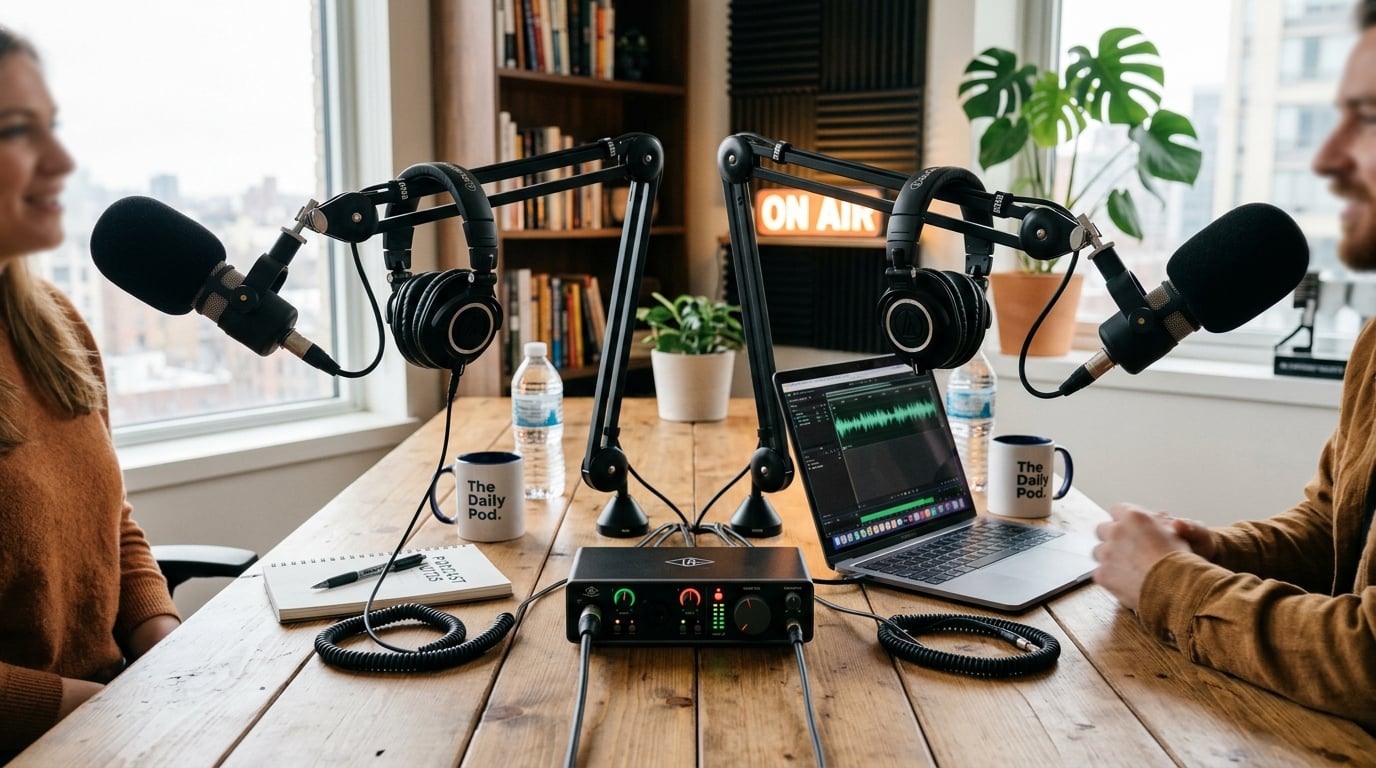
Podcasting has become one of the most powerful ways to build an audience and share ideas. While the barrier to entry is low, the difference between an amateur show and a professional one comes down to production quality and a consistent, repeatable workflow.
Plan Before You Record
Great episodes start with preparation. Outline your topics, prepare questions for guests, and decide on a clear structure with an intro, main content, and outro. A little planning keeps episodes focused and easy to edit.
Capture Clean Audio
Audio quality is what keeps listeners subscribed. Prioritize these essentials:
- A dynamic microphone for each speaker to reject room noise.
- A quiet, soft-furnished room to minimize reflections.
- Recording each speaker on a separate track for editing flexibility.
- Monitoring with headphones to catch problems as they happen.
Edit With Purpose
Editing shapes the listening experience. Remove long pauses, distracting filler words, and mistakes, but keep the conversation natural. Resist the urge to over-edit, which can make speech feel robotic.
Process for Consistency
- EQ to add clarity and reduce boominess.
- Compression to even out volume between speakers.
- Noise reduction to clean up background hiss.
- Loudness normalization to meet podcast standards around -16 LUFS.
Publish and Distribute
Export a high-quality file, write a compelling title and show notes, and upload to a hosting platform that distributes your RSS feed to major directories. Consistent scheduling helps grow your audience.
Conclusion
A professional podcast is built on preparation, clean audio, and thoughtful editing. Whether you are launching a new show or improving an existing one, AleXavior Studios offers the tools and expertise to help your voice sound its best.
Comments (0)
Leave a Comment
No comments yet. Be the first to comment!