Reverb and Delay: Creating Space in Your Mix
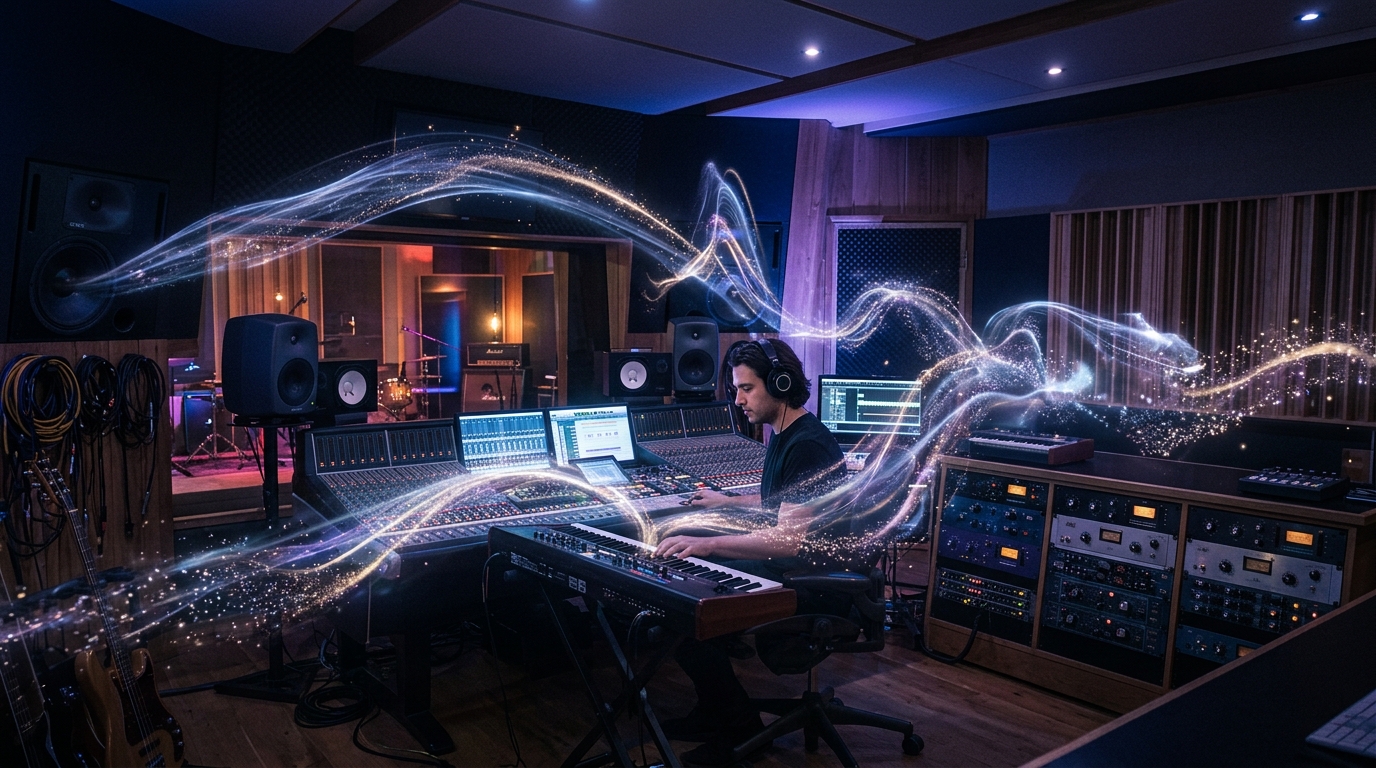
Reverb and delay are the tools that transform flat, dry recordings into three-dimensional productions with depth and atmosphere. Used skillfully, these time-based effects place instruments in a believable space and add emotion, width, and polish to a mix.
Understanding Reverb
Reverb simulates the countless reflections that occur when sound bounces around a physical space. It tells the listener where an instrument lives — a small room, a concert hall, or a cathedral. The key parameters shape that illusion:
- Decay time: How long the reverb tail lasts.
- Pre-delay: The gap before the reverb begins, which preserves clarity.
- Size: The perceived dimensions of the space.
Understanding Delay
Delay repeats a signal one or more times, from tight slapback echoes to rhythmic patterns synced to the tempo. It can thicken a vocal, add groove, or create dramatic, cascading effects.
Practical Tips for Depth
- Use pre-delay to keep vocals clear while still adding space.
- High-pass and low-pass your reverb and delay returns so they do not muddy the mix.
- Sync delays to the tempo for a musical, rhythmic feel.
- Send multiple instruments to the same reverb to place them in one shared space.
Less Is Often More
It is easy to drown a mix in effects. Try setting your reverb and delay levels while listening, then pull them back until they are almost too quiet. Often the best ambience is felt more than heard.
Conclusion
Mastering reverb and delay is what separates a flat mix from an immersive one. Experiment with sends, tailor each effect to the song, and trust your ears. AleXavior Studios can help you craft mixes with professional depth and dimension.
Comments (0)
Leave a Comment
No comments yet. Be the first to comment!