Spatial Audio: How It's Changing the Listening Experience
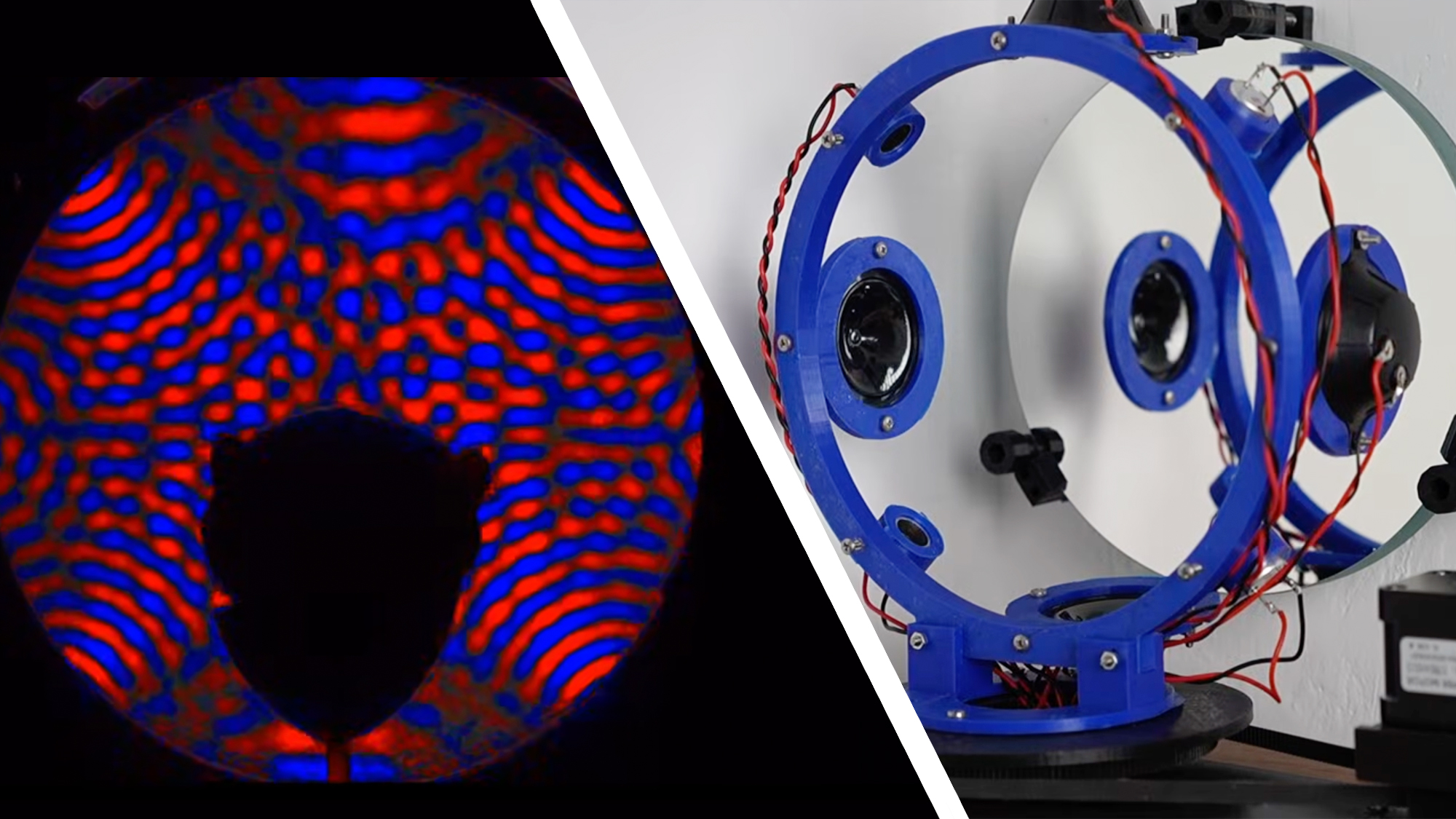
Spatial audio has quickly become one of the most talked-about developments in consumer sound. Built into popular headphones and streaming platforms, it promises a more immersive, three-dimensional experience that places listeners inside the music rather than in front of it.
What Spatial Audio Delivers
At its heart, spatial audio uses clever processing to simulate sound coming from all directions, including above and behind the listener. On headphones, head-tracking can even keep the soundstage anchored as you move, creating a convincing sense of a real space.
- A wider, more enveloping soundstage than traditional stereo.
- A sense of height and placement that stereo cannot reproduce.
- Head-tracked audio that responds to listener movement.
Growing Everyday Adoption
What once required specialized equipment is now available to millions through mainstream devices. This accessibility is driving artists and labels to release spatial versions of their catalogs, accelerating adoption across the industry.
Opportunities and Challenges
For creators, spatial audio offers a fresh canvas, but it also introduces new considerations:
- Mixes must translate well to both spatial and traditional playback.
- Overuse of dramatic effects can feel gimmicky rather than musical.
- New monitoring and production skills are required to do it well.
Listener Expectations Are Shifting
As audiences grow accustomed to immersive experiences, expectations for richness and depth continue to rise. Creators who understand spatial techniques will be well positioned to meet that demand.
Conclusion
Spatial audio is more than a passing trend — it reflects a broader move toward richer, more engaging listening. AleXavior Studios is exploring these techniques and helping creators understand how to make the most of them. Get in touch to learn how spatial audio might shape your sound.
Comments (0)
Leave a Comment
No comments yet. Be the first to comment!