Streaming Loudness Standards: What Producers Need to Know in 2026
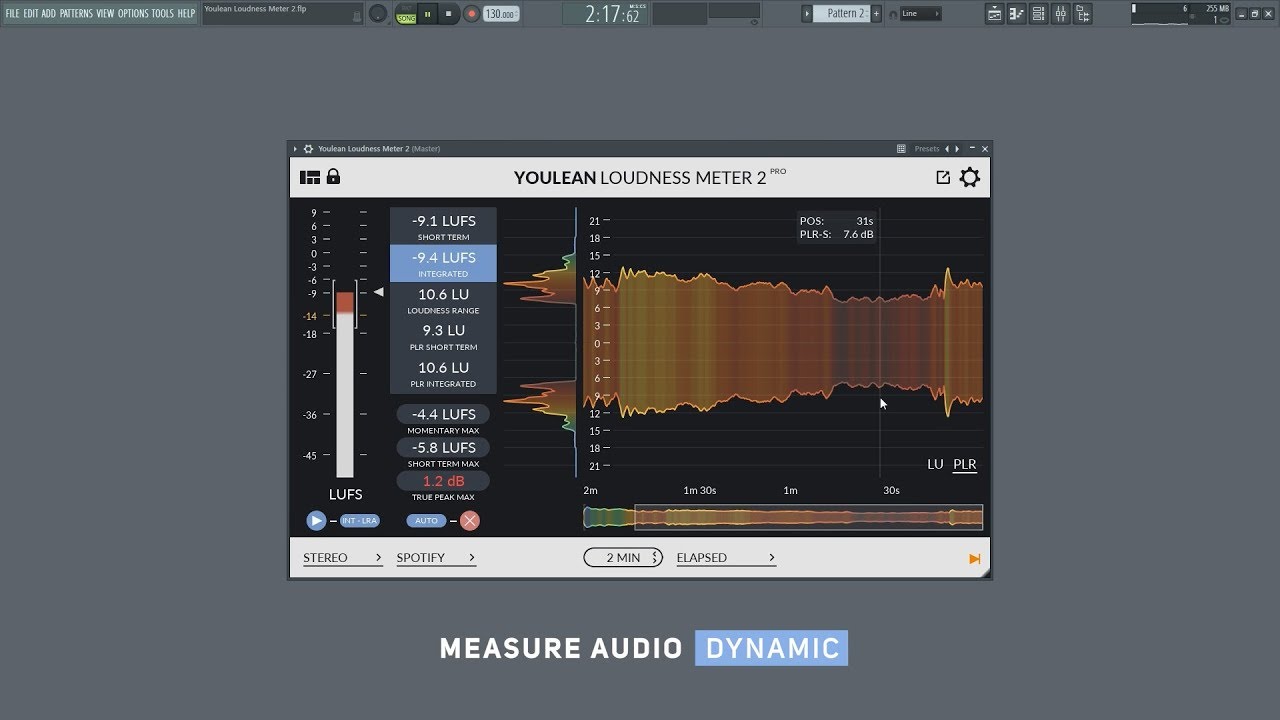
For years, the so-called loudness wars pushed producers to make records as loud as possible, often at the expense of dynamics and quality. Today, streaming platforms have changed the rules entirely with loudness normalization, and understanding these standards is essential for anyone releasing music.
What Loudness Normalization Means
Streaming services measure the perceived loudness of every track and adjust playback so songs sound consistent to listeners. This measurement is expressed in LUFS, or Loudness Units Full Scale. Tracks louder than the target are turned down, which means crushing your master no longer wins.
- Platforms typically normalize toward a target around -14 LUFS.
- Overly loud masters are simply reduced, losing their punch.
- Dynamic masters often sound better after normalization.
Why Dynamics Are Back
Because extreme loudness offers no advantage, producers are free to preserve dynamic range again. A master with breathing room and impact frequently outperforms a squashed one once both are normalized to the same level.
Practical Guidance for 2026
- Aim for a master with healthy dynamics rather than maximum loudness.
- Use a loudness meter to check your LUFS during mastering.
- Leave true-peak headroom to avoid distortion after conversion.
- Trust musical impact over raw volume.
Focus on the Music
The most important takeaway is liberating: make the music sound its best rather than chasing numbers. Loudness normalization has leveled the playing field so quality wins.
Conclusion
Understanding loudness standards helps your music translate cleanly across every platform. AleXavior Studios stays current with these evolving guidelines and can help ensure your releases sound polished and competitive everywhere listeners find them.
Comments (0)
Leave a Comment
No comments yet. Be the first to comment!