Explore articles, guides, and updates
Denver's first PorchFest put nearly 200 bands on 83 front porches across a mile of the Baker neighborhood in four months, with free entry and a donation model that paid the acts. The logistics are the lesson.
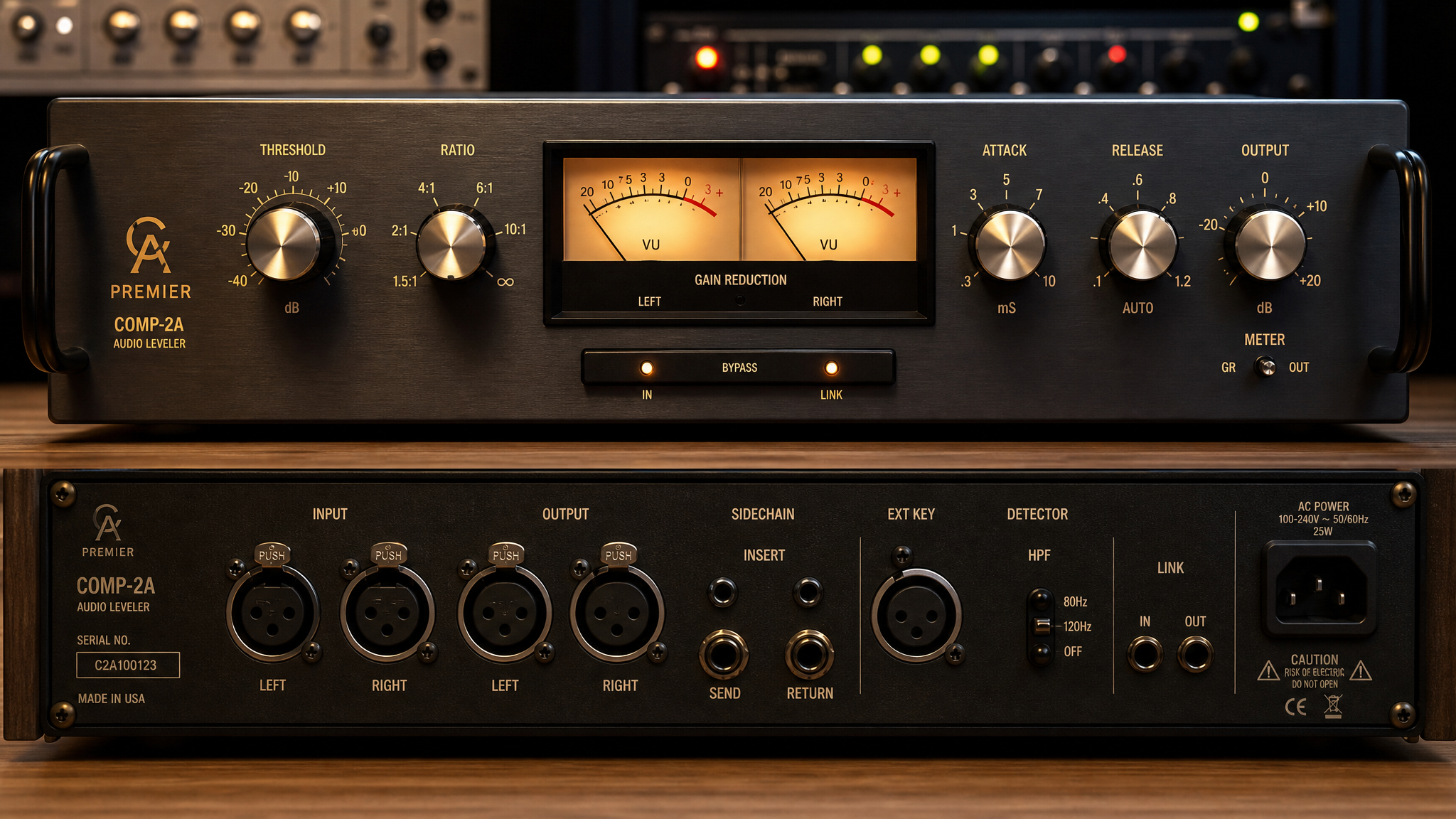
Compression is one of the most transformative tools in audio production, yet it confuses more newcomers than any other processor. In simple terms, a compressor automatically...
Your website is your digital storefront. This comprehensive guide walks you through everything you need to establish a powerful online presence — from domain selection to SEO strategy.
MIDI is the invisible language that powers modern music production. Rather than recording sound, MIDI records performance data — which notes were played, how hard, and for how...
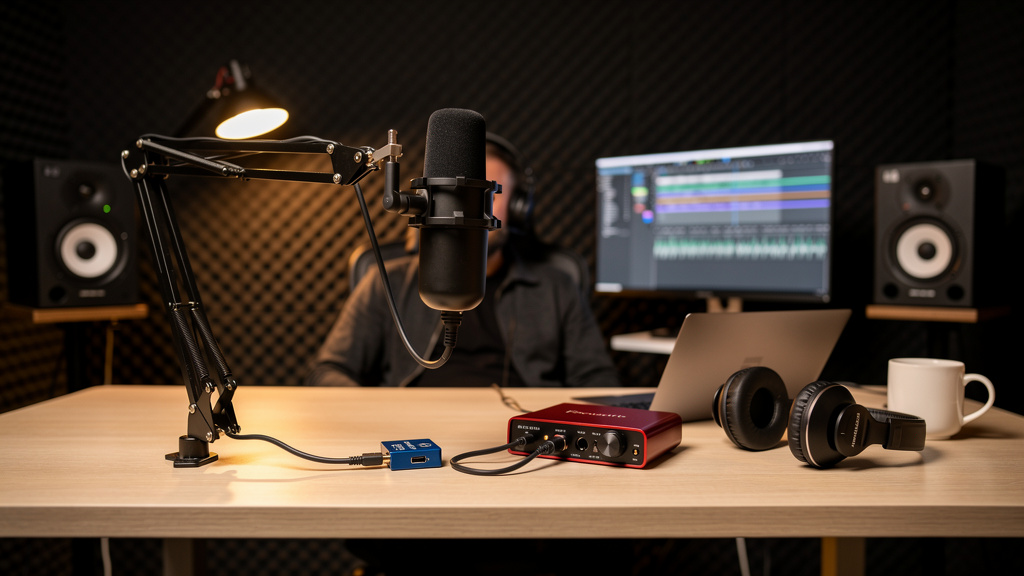
Podcasting has become one of the most powerful ways to build an audience and share ideas. While the barrier to entry is low, the difference between an amateur show and a...
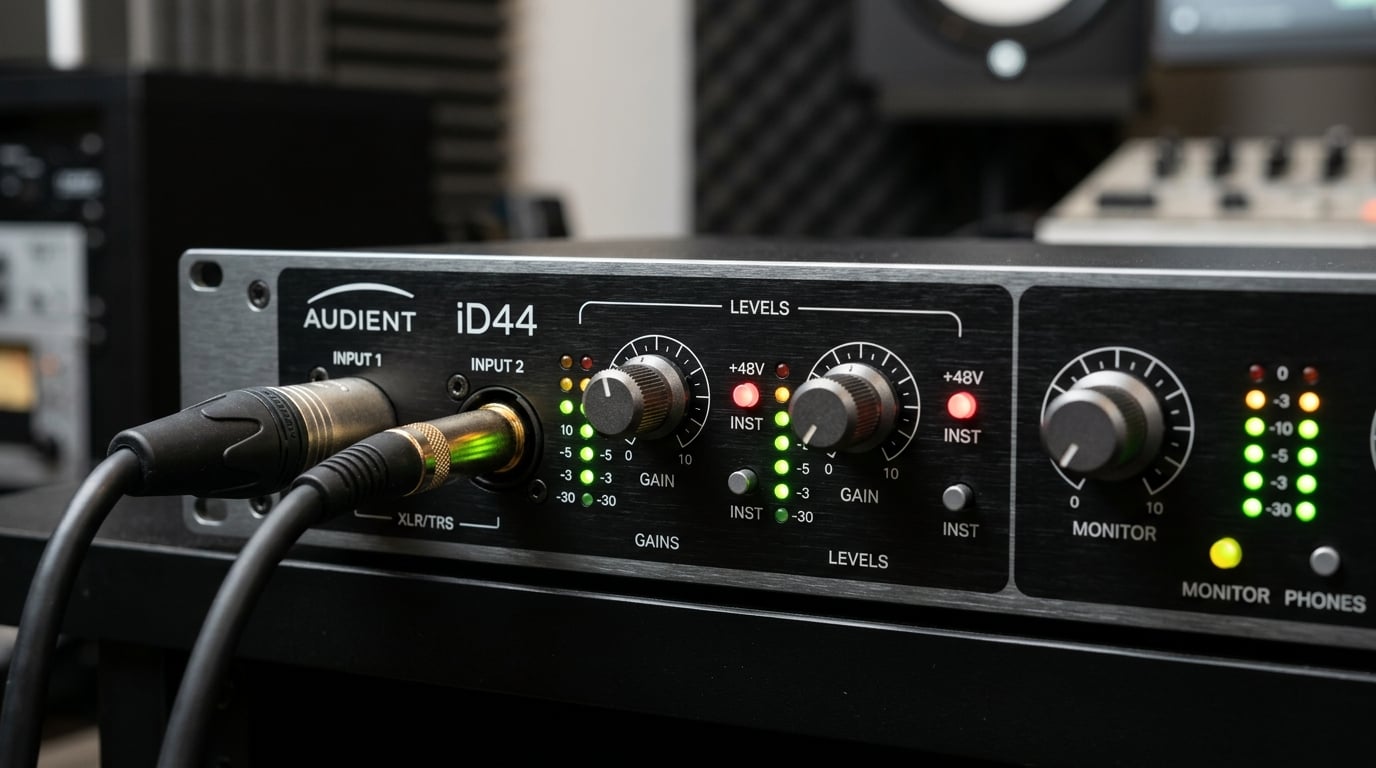
The audio interface is the hub of any modern studio, converting the analog world of microphones and instruments into digital audio and back again. Choosing the right one affects...
Mixing is where a collection of individual recordings becomes a cohesive, emotionally engaging piece of music. It is part technical craft and part creative decision-making. While...
If your site looks fine but still leaks enquiries, these booking, CRM and funnel features are what turn a studio website into a working sales system.
If your speakers get louder and the hiss gets unbearable, the problem usually started earlier in the chain, not inside your monitors or preamp.
If your SM7B setup got hissier instead of cleaner after adding an inline booster, the problem usually isn’t the booster itself—it’s gain structure and where noise is entering.
Your patchbay was silent yesterday, and now one route hums, buzzes or thins out for no obvious reason. Here are the five faults that cause most sudden patchbay noise.
If faint voices or static are sneaking into your monitors, the problem usually isn’t the room—it’s a few vulnerable connection points acting like antennas.
That low hum under a great take often sends people shopping for power conditioners, when the real fault is usually somewhere in the signal path.