Explore articles, guides, and updates
If your studio still sounds thin, brittle, or oddly noisy, the fix may be less about fancy cables and more about how your signal path is actually balanced.
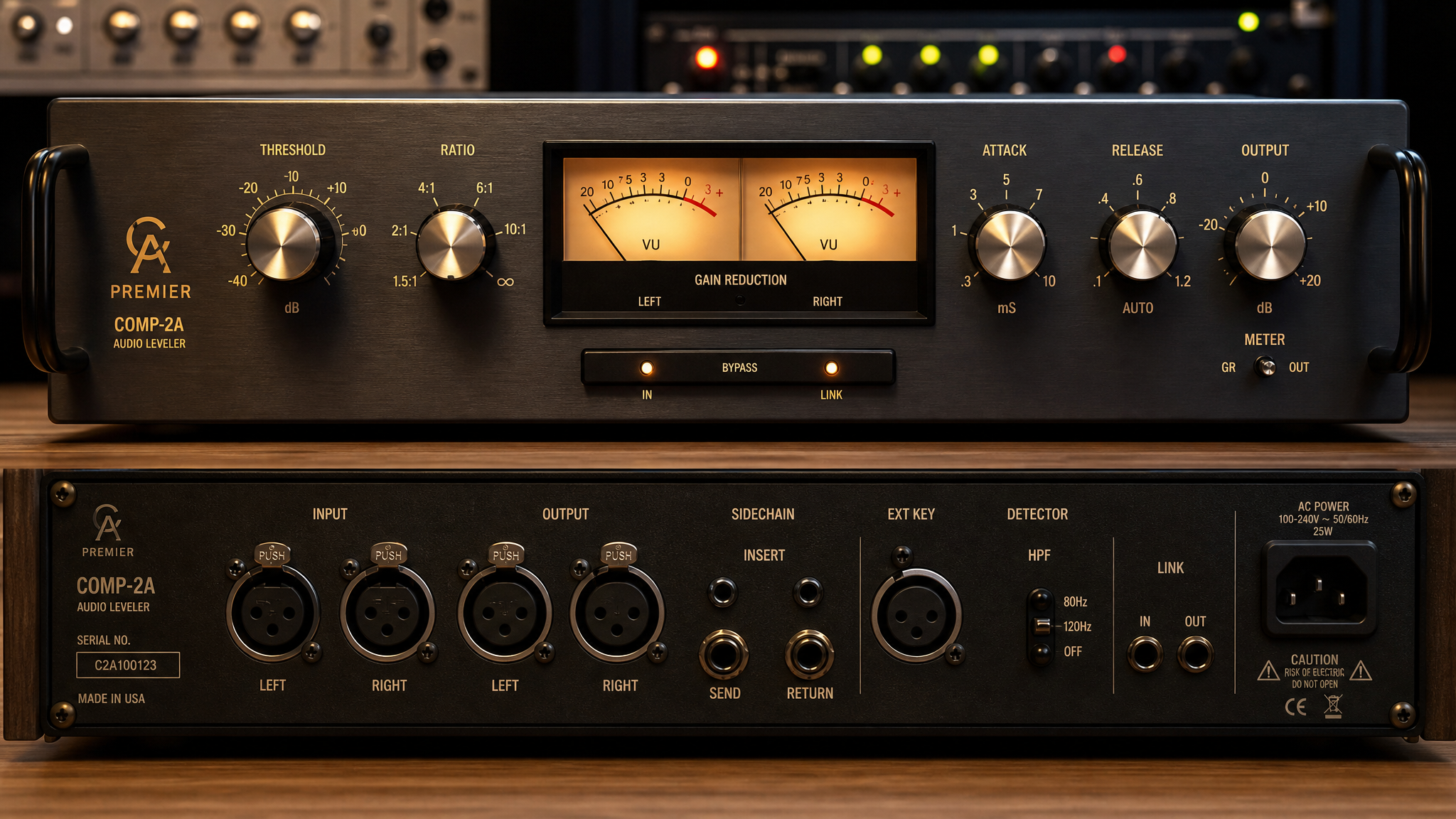
Compression is one of the most transformative tools in audio production, yet it confuses more newcomers than any other processor. In simple terms, a compressor automatically...
Your website is your digital storefront. This comprehensive guide walks you through everything you need to establish a powerful online presence — from domain selection to SEO strategy.
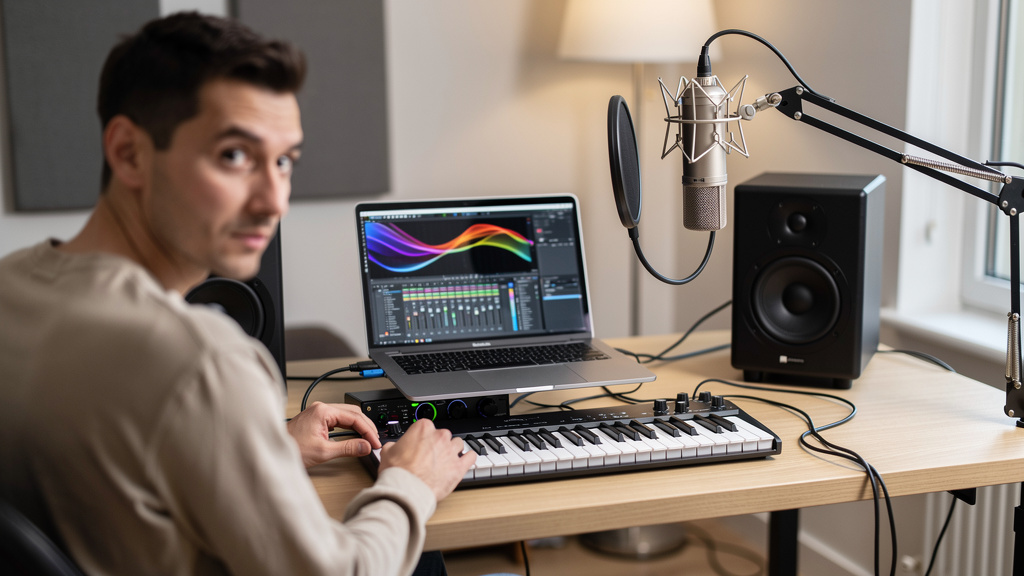
MIDI is the invisible language that powers modern music production. Rather than recording sound, MIDI records performance data — which notes were played, how hard, and for how...
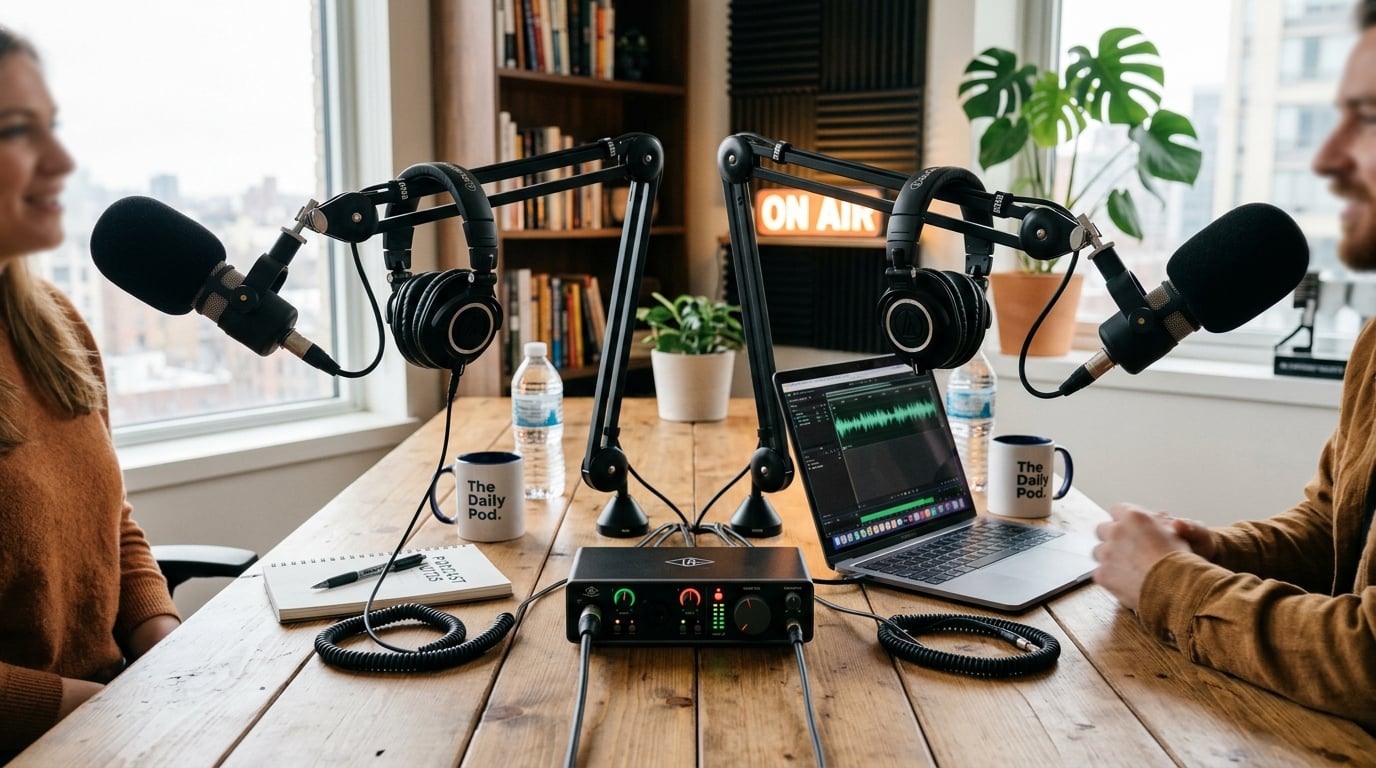
Podcasting has become one of the most powerful ways to build an audience and share ideas. While the barrier to entry is low, the difference between an amateur show and a...
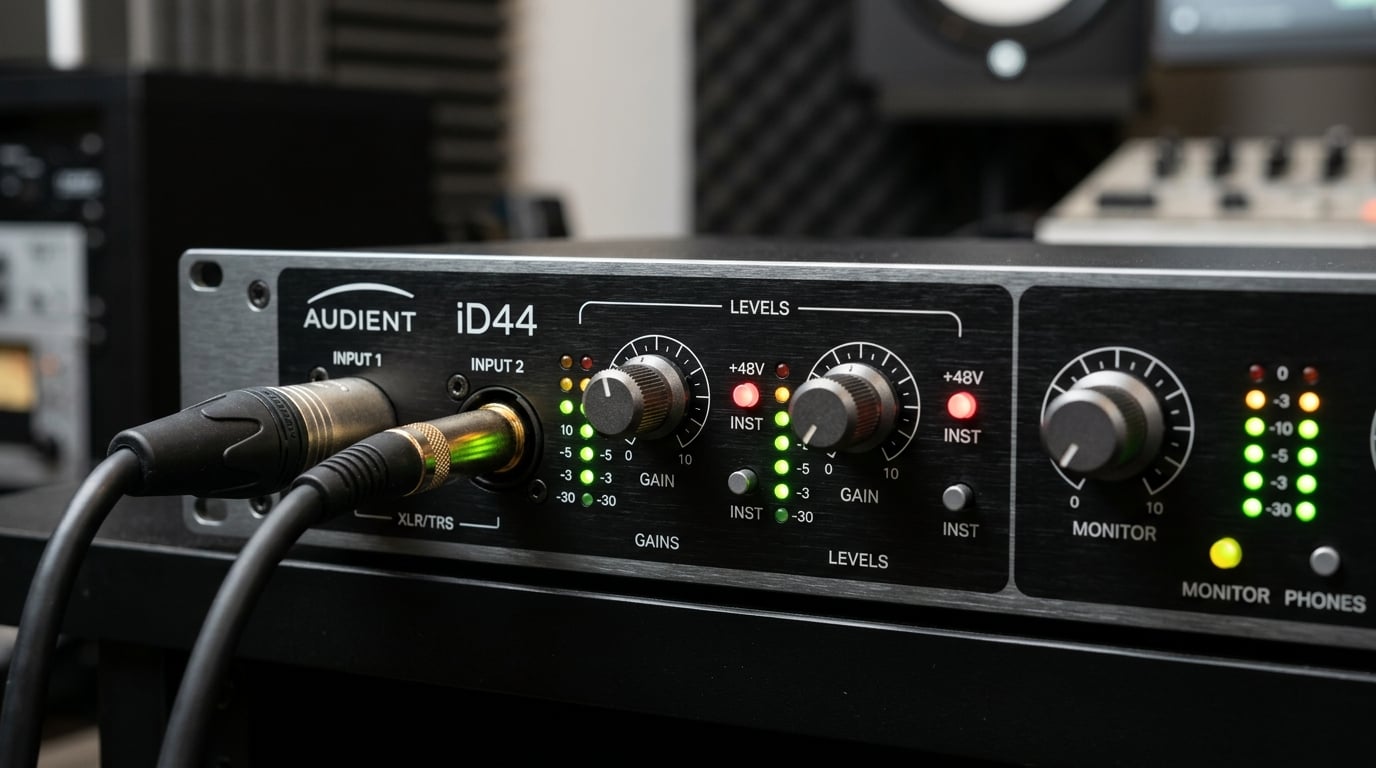
The audio interface is the hub of any modern studio, converting the analog world of microphones and instruments into digital audio and back again. Choosing the right one affects...
Mixing is where a collection of individual recordings becomes a cohesive, emotionally engaging piece of music. It is part technical craft and part creative decision-making. While...
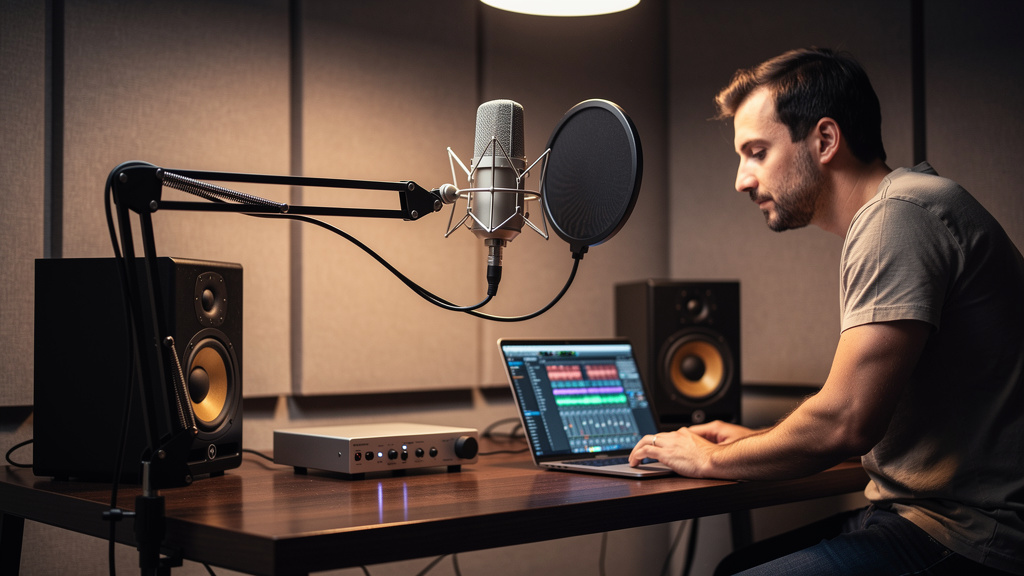
A condenser mic that was quiet yesterday can start hissing, crackling or sputtering today—and the cause is often simpler and more local than people think.
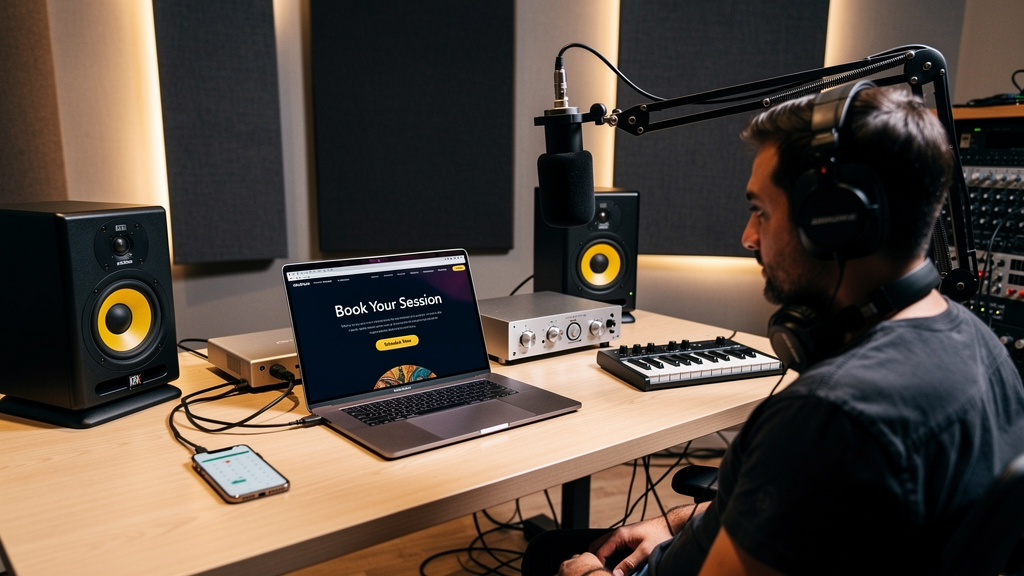
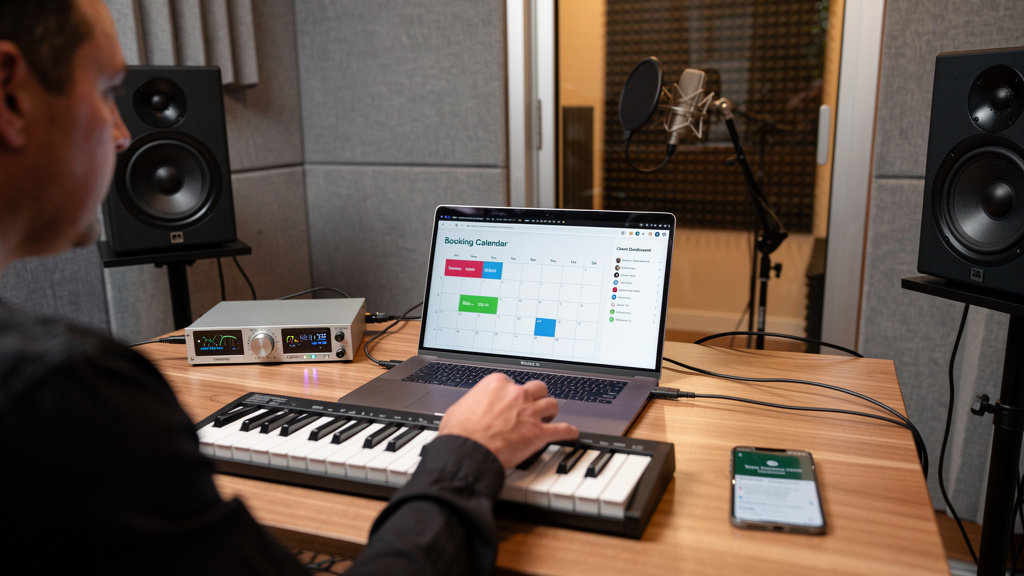
If your site gets visits but not inquiries, this guide shows how to turn a website for a recording studio into a smoother, higher-converting booking path.
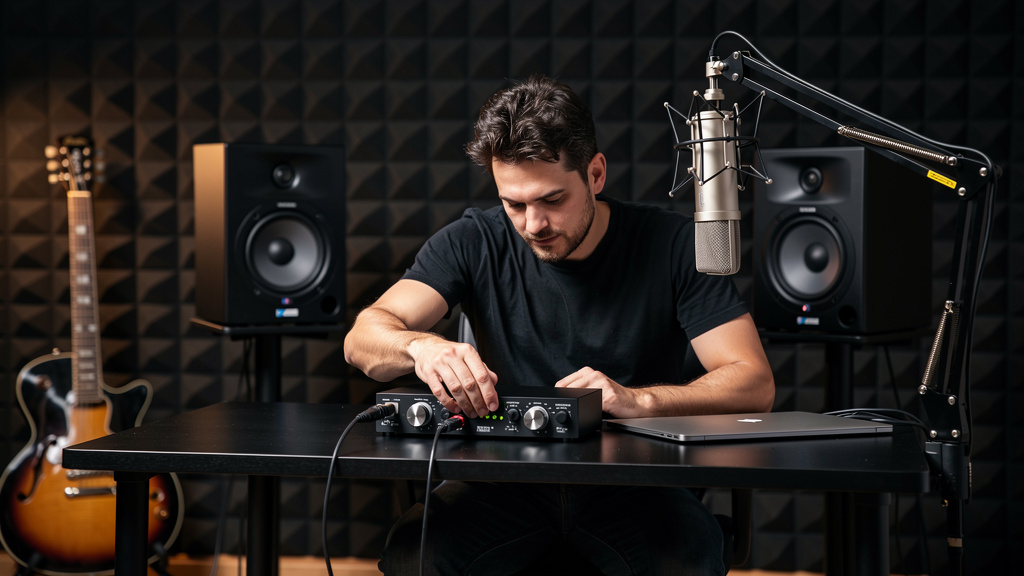
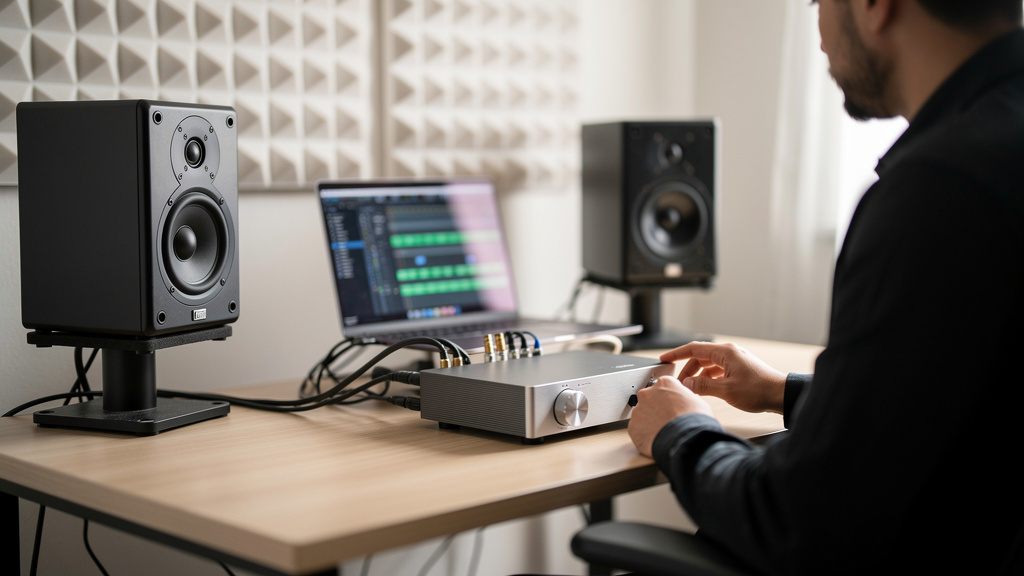
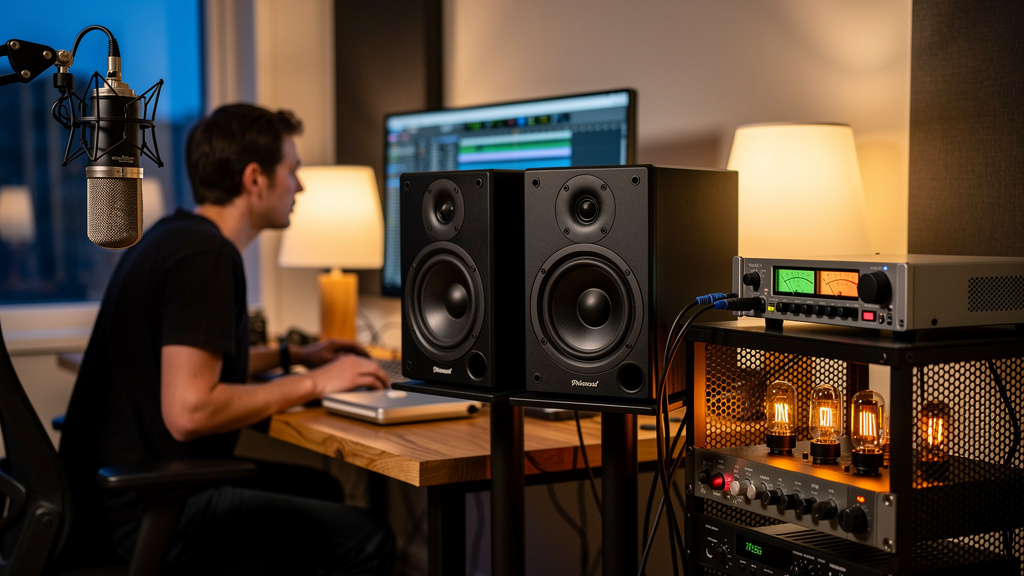
If your speakers erupt into rushing hiss the moment you raise the volume, the fix is usually gain structure—not expensive new preamps or quieter monitors.
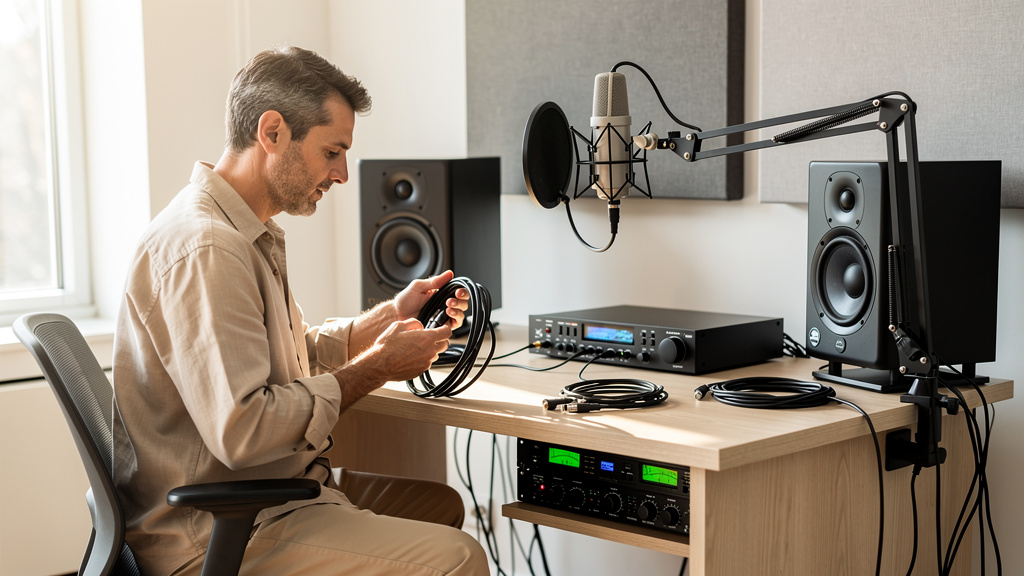
If your rig still sounds thin, noisy or oddly fragile, the real problem may be cabling balance, shield paths and run length—not expensive connectors.
If your left and right monitors suddenly feel uneven, hollow or weak in the low end, the problem is often wiring, placement or polarity—not your mix.
If your studio sounds fine until you turn the monitors up, the hiss probably started much earlier in the chain—here are the five level mistakes to find first.